Expand
Spaceward.

The frontier did not close.
It moved up.

This site only goes the way humanity does. Scroll up.
Hover a ring to name it. Earth photograph: NASA. Spacing compressed, not to scale.
384,400 km / The Moon

Settle the Moon

Not flags and footprints. Towns, power, industry, and people who stay.

Three days away, with ice at the poles, sunlight on the crater rims, and a gravity well shallow enough to ship from. The first town off Earth goes here.

Coming on Astronomics: “This time, to stay”: what NASA's Moon Base plan commits to / After Ignition: the landers, rovers and contracts behind the base
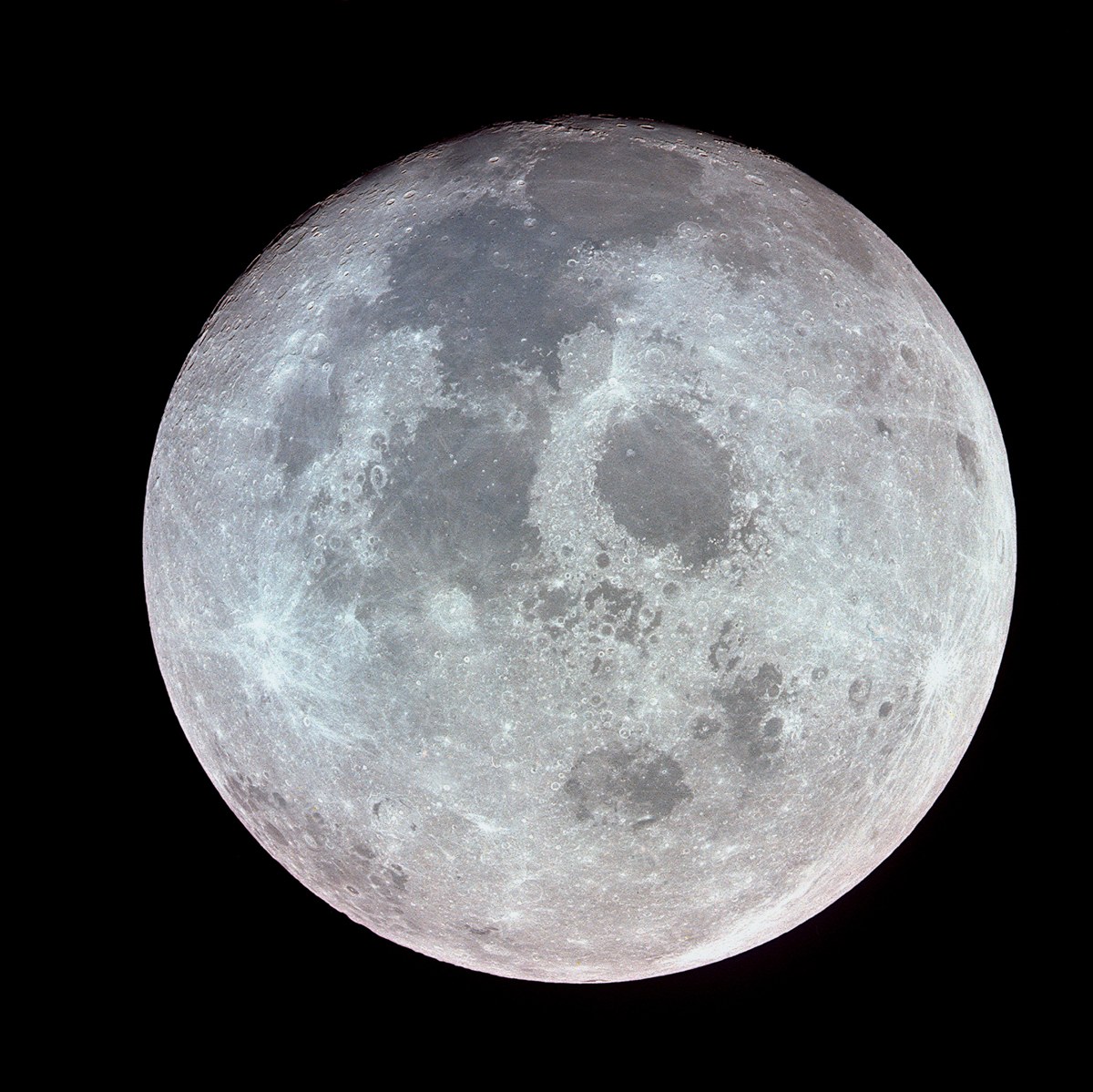
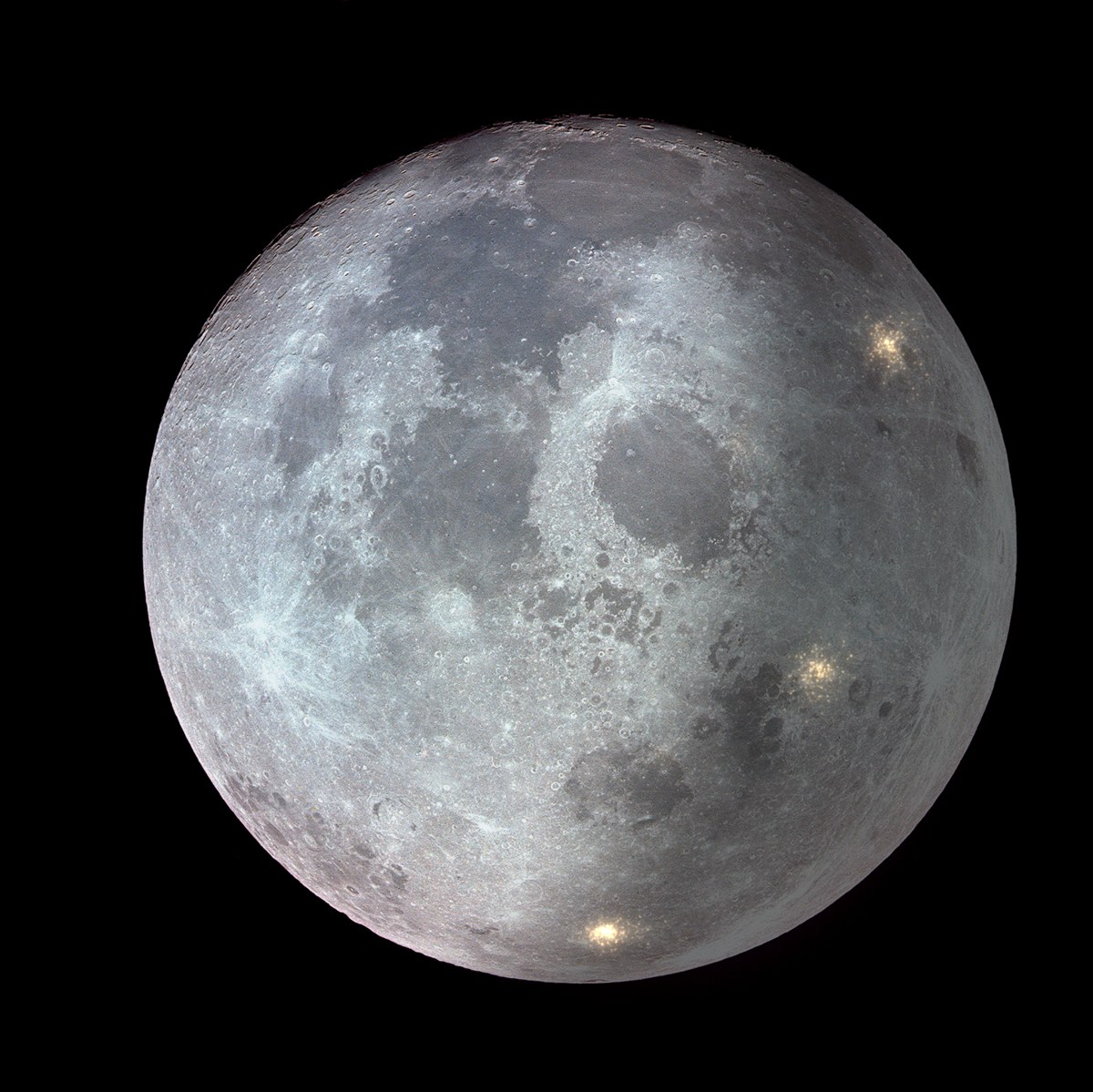
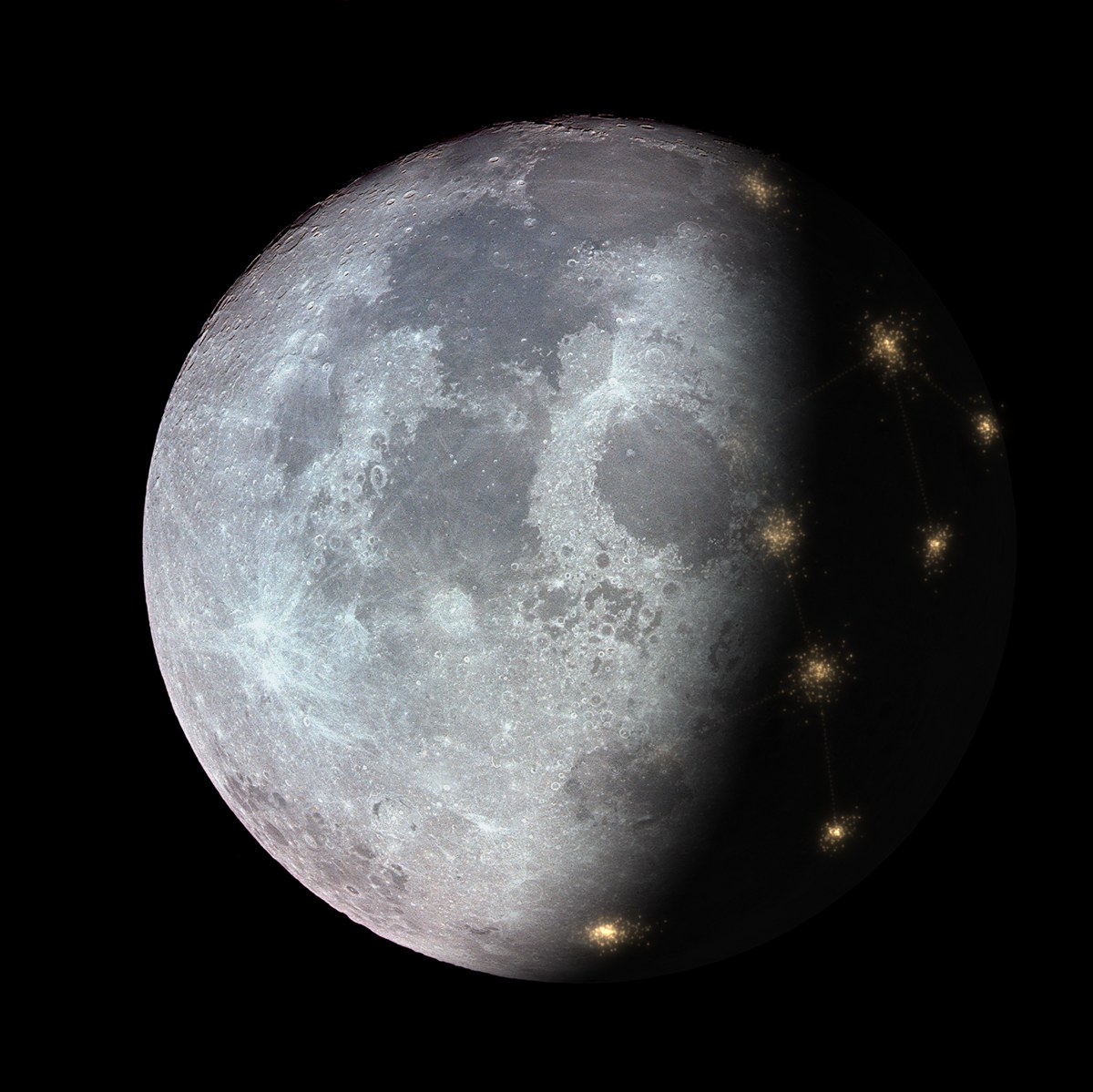
The Moon todayThe Moon with night falling and the lights of settlements across the dark side
NASA photograph. The lights are an illustration.
Out to 450,000 km / Cislunar space

Build the space between

From low orbit to the far side of the Moon is one economy waiting for its infrastructure. Pick a piece below.

Coming on Astronomics: Does it pencil? A propellant depot at L1 / Data centres in the dawn-dusk orbit: the arithmetic

L1L2L3L4L5GEOEARTHMOONSchematic, not to scale. The Moon is held still; everything else moves around it.

Five Lagrange points mark where Earth's pull and the Moon's balance. L1 and L2 are the gateways. L4 and L5 are stable enough to park a city.
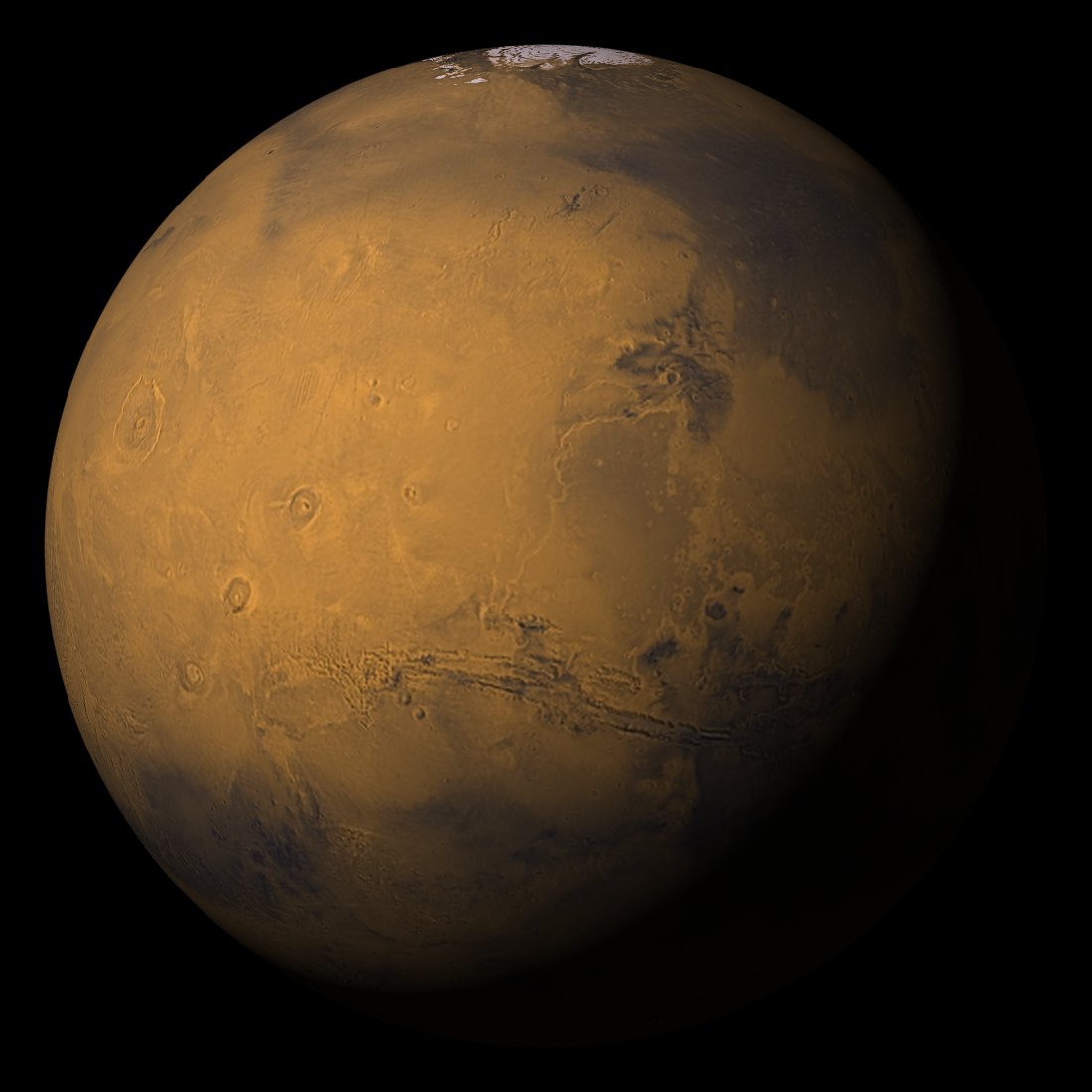
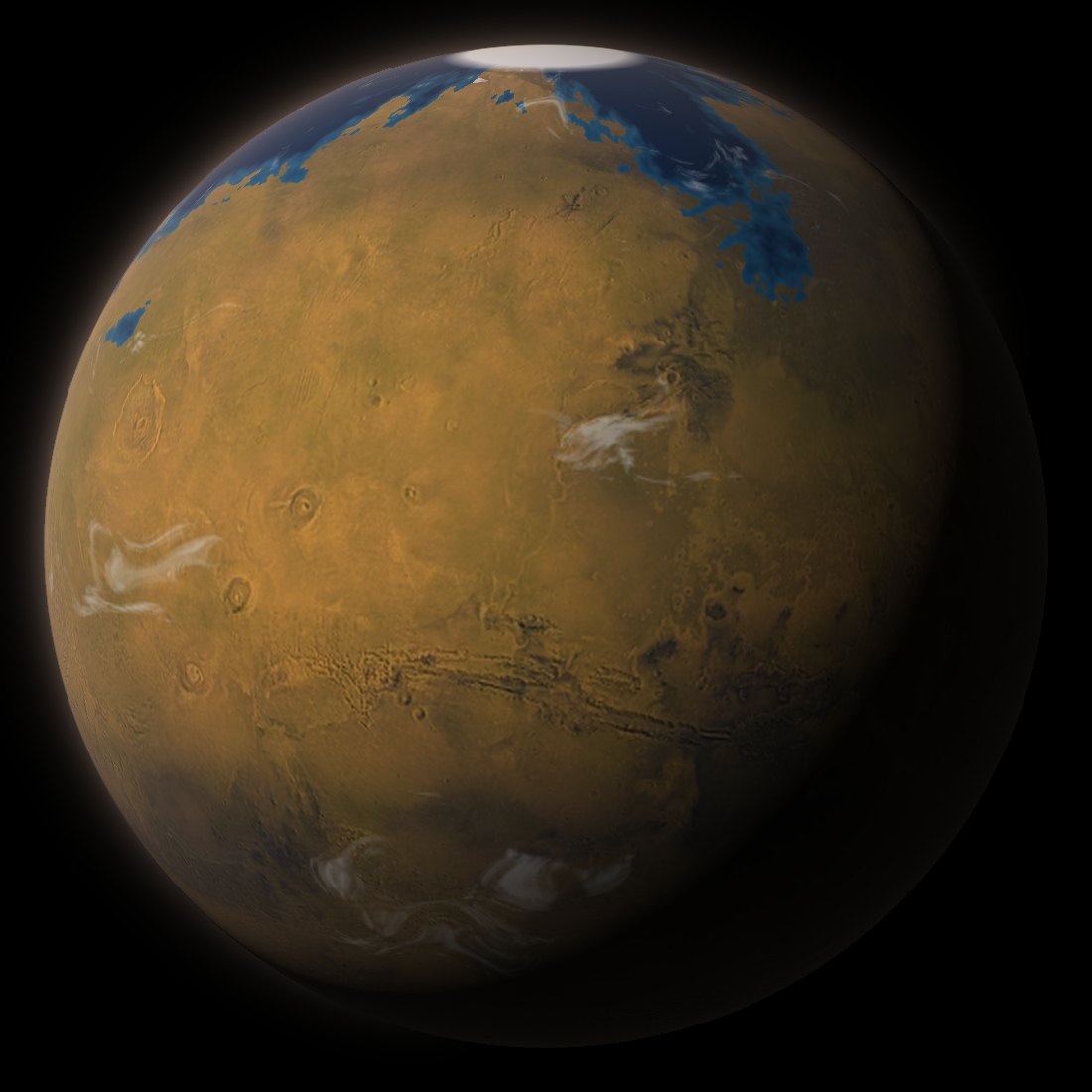
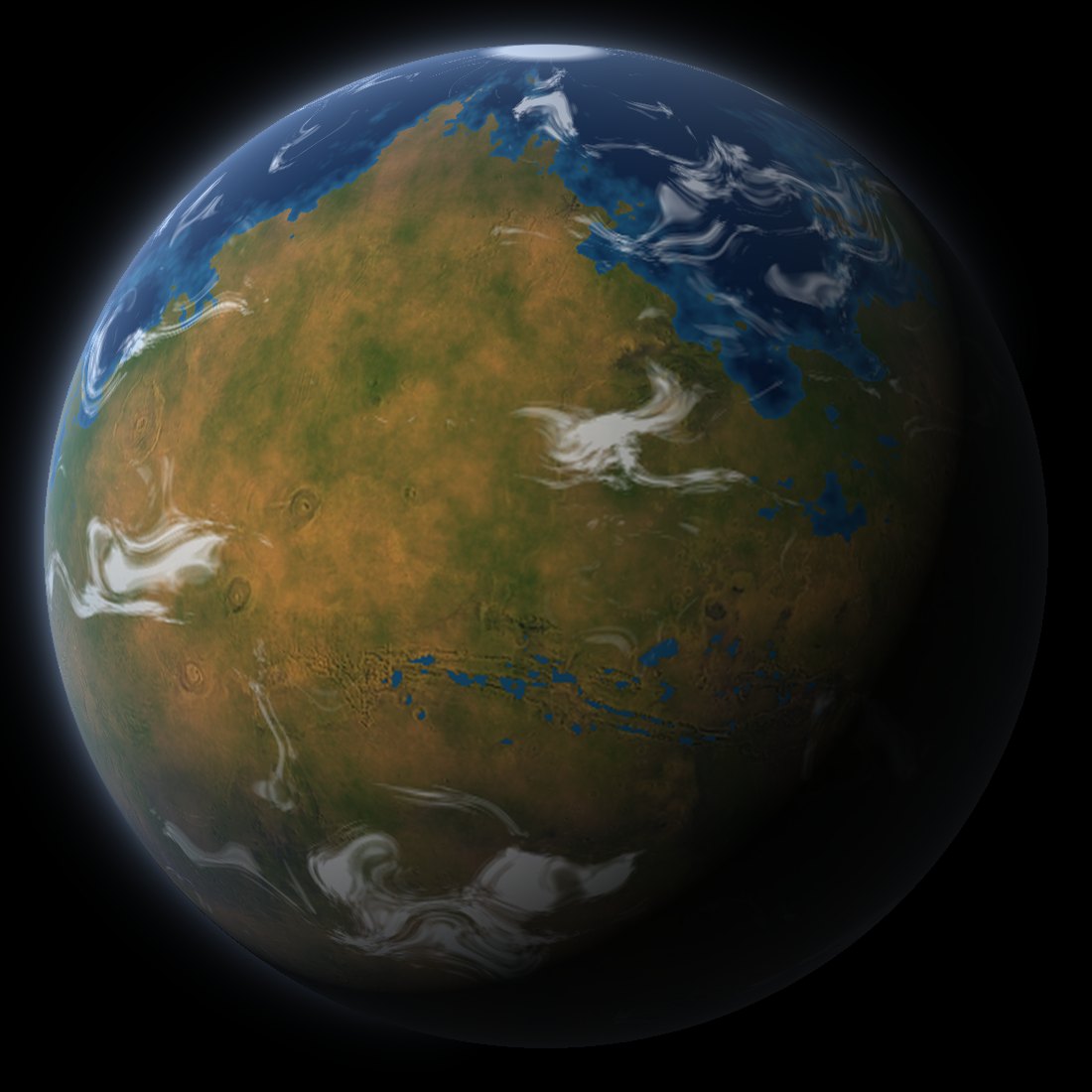
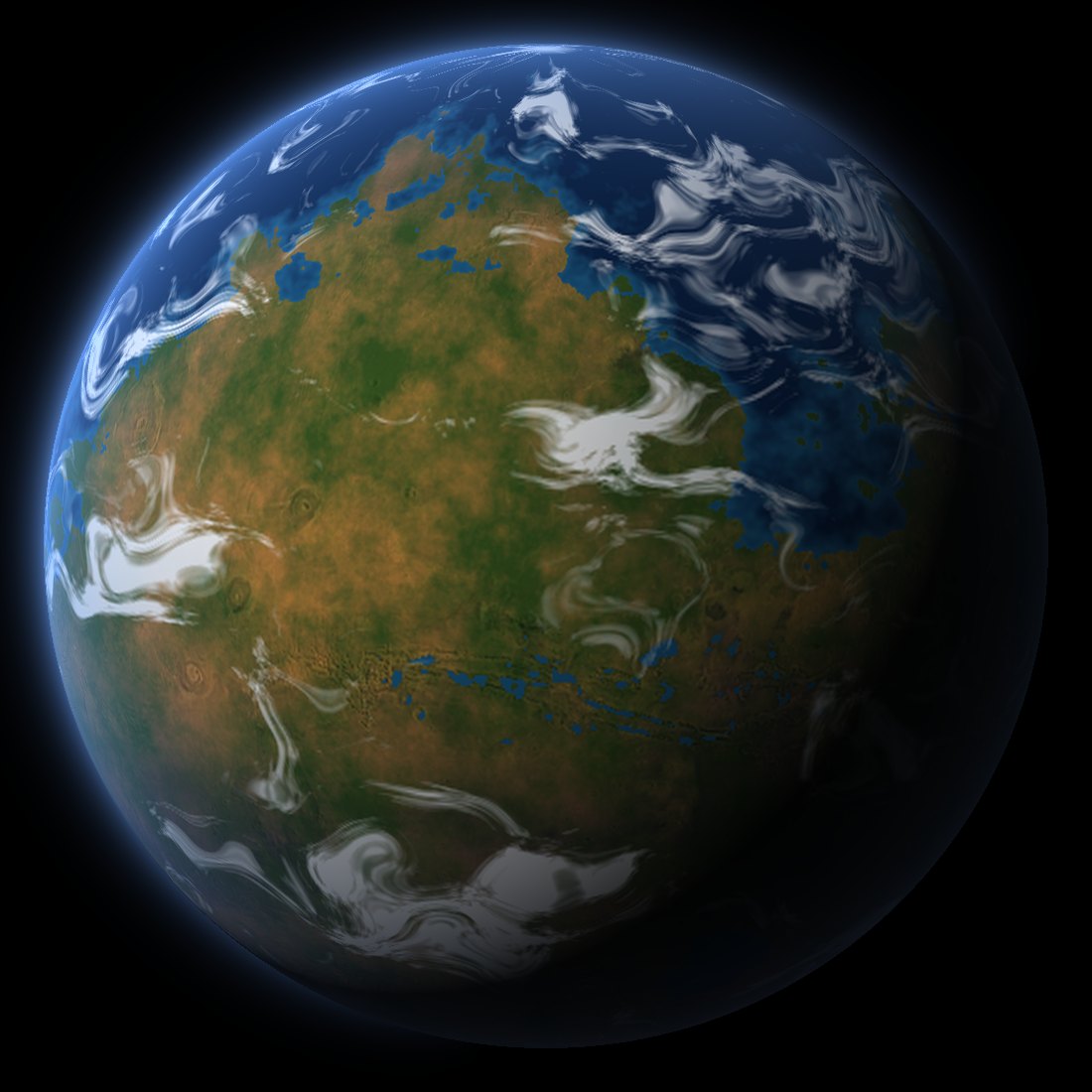
Mars todayMars terraformed, with a northern ocean, green land, clouds and a blue atmosphere
Built on NASA's Mars map. The later stages are an illustration.
225,000,000 km / Mars

Terraform Mars

A second living world, built on purpose, over generations.

A day almost the length of ours, water locked in the ground, and room for a whole biosphere. Warm it, thicken the air, and the northern basin fills.

Coming on Astronomics: What terraforming Mars would cost, and who pays

414,000,000 km / The asteroid belt

Work the belt

Water for propellant and metal for structure, already in space, with no planet's gravity to haul it out of.

1.1–1.9Masteroids wider than a kilometre, by NASA's estimate. Millions more are smaller.
1/3of the belt's mass is one body, Ceres, and Ceres carries water ice.
1 rockA 2021 study estimated that asteroid 1986 DA holds more iron, nickel, cobalt and platinum-group metal than Earth's known reserves.

Coming on Astronomics: Does it pencil? Mining 1986 DA
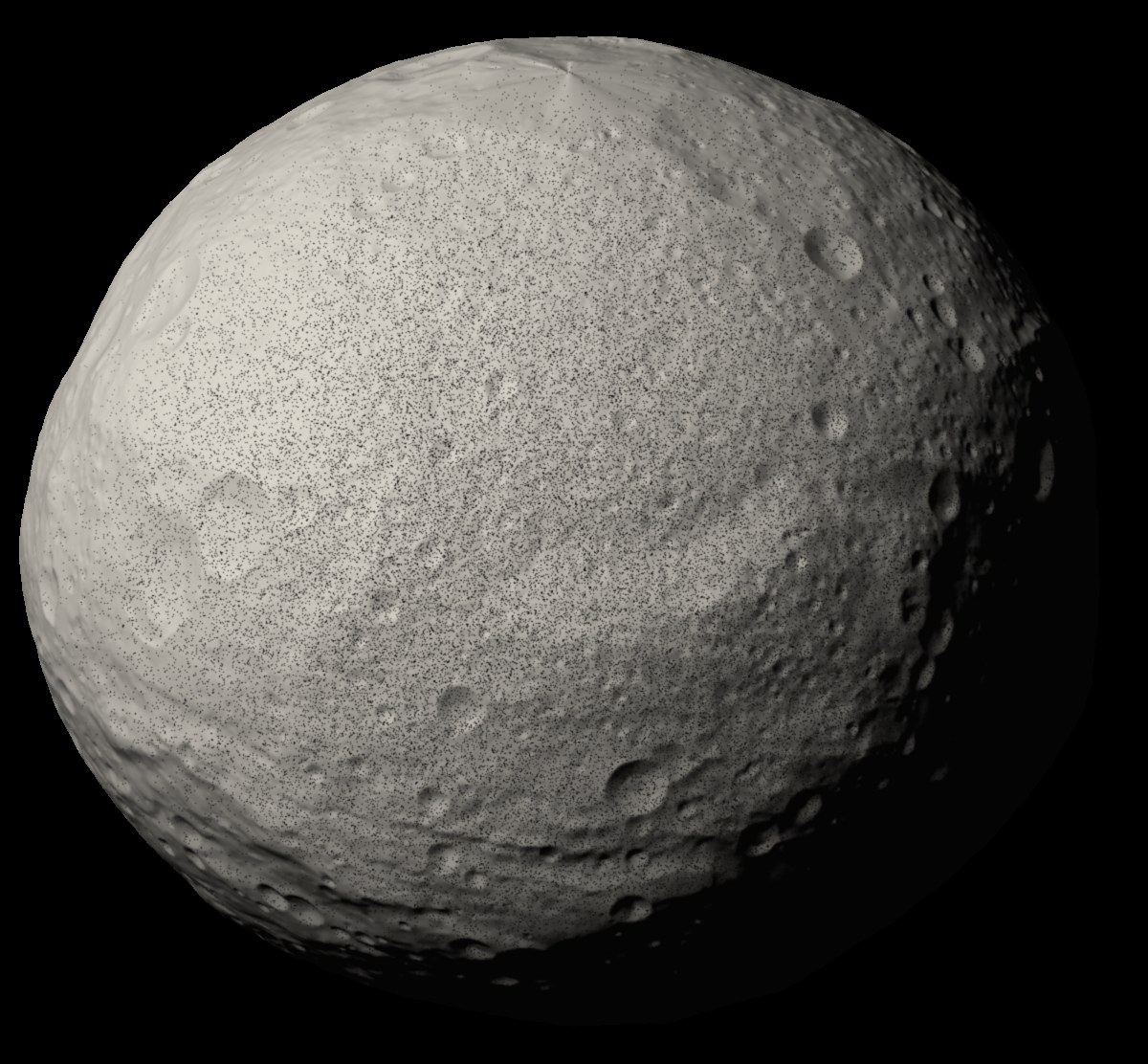
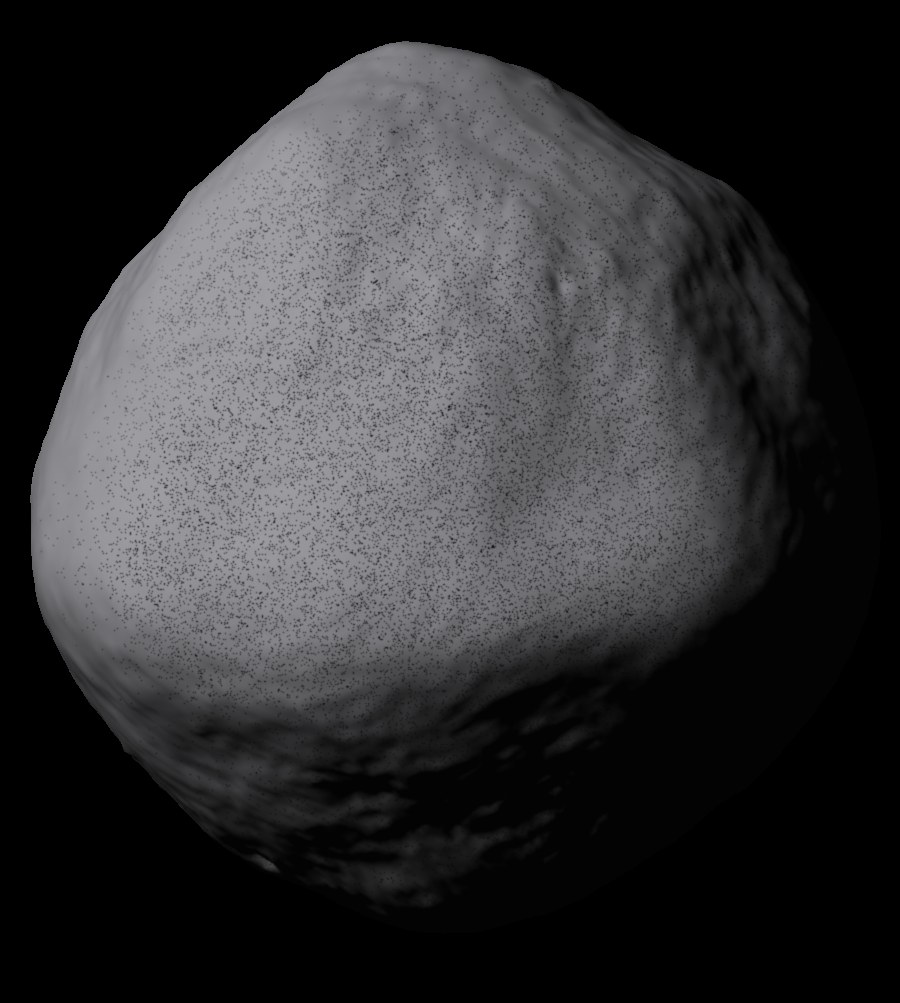
Asteroid VestaAsteroid Bennu
4 Vesta (main belt) and 101955 Bennu (near-Earth), rendered from NASA shape models. Not to scale.
Out to 5,900,000,000 km / The Solar System

Inhabit the Solar System

Coming on Astronomics: Helium-3 from Uranus: the longest supply chain

Earth is a NASA photograph. The others are built from NASA maps; Mercury and Uranus are stand-ins.
18,000,000,000 km / The heliopause

Keep going.

Spaceward is the banner. Astronomics is where the numbers get worked: space economics and cislunar strategy, one architecture at a time.

Read Astronomics
Manifesto

The frontier did not close. It moved up.

Westward was a compass heading. For three hundred years Americans followed it, and it made the country what it is: restless, inventive, unwilling to believe the map was finished.

Then the map was finished.

The drive that filled it did not go anywhere. A people built by a frontier does not stop needing one. For a century that energy has had nowhere to point.

There is one heading left, and it is not on the compass.

This frontier is empty

No one lives there. Nothing has to be taken from anyone. The only thing in the way is distance, and distance is an engineering problem.

It is also rich

Sunlight that never sets. Water ice at the lunar poles. Single asteroids with metal to rival the world's reserves. Room for more people, more industry and more life than Earth could ever hold.

What we are for

  1. Settle the Moon. Not flags and footprints. Towns, power, industry, and people who stay.
  2. Terraform Mars. A second living world, built on purpose, over generations.
  3. Inhabit the Solar System. Every world and every orbit within reach, with people living there.

It has to pencil

Conviction without arithmetic is science fiction. Every step outward has to pay for the next one. That work happens at Astronomics, one architecture at a time. Spaceward is the flag it is done under.

Why now

The cost of reaching orbit has collapsed within a single generation. Rockets land and fly again. What was a government programme is turning into an economy, and economies grow.

Why us

Americans went west, then went to the Moon, then stopped. We are picking it back up: to stay, to build, and to bring along everyone who wants to come.

Expand SPACEWARD.

Shop

Gear for the heading.

The Spaceward cap

Black crown, white arched embroidery, white braided cord along the brim. Snapback.

Order the cap Opens Printful's page for this cap style in a new tab.

The Spaceward tee

Dark grey. Rising Star on the left chest. SPACEWARD. across the back.

Order the tee Opens Printful's page for this shirt style in a new tab.
0 km Home